
THE CRAFT
How Finishing Casks Transform Whiskey
3 products
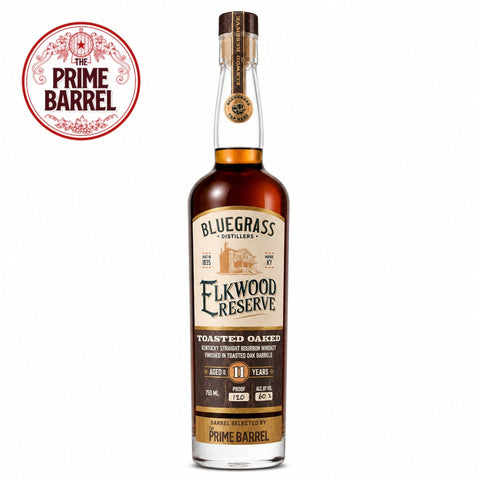


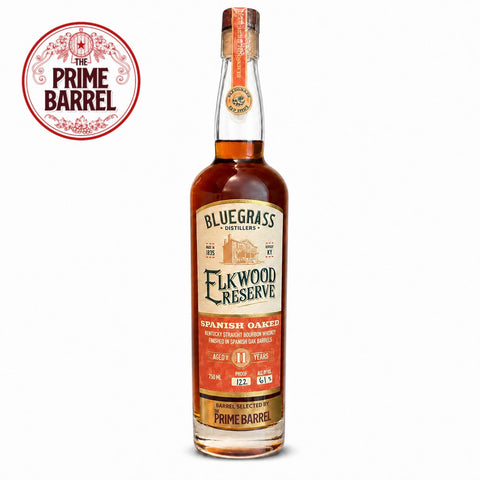
What a finishing cask contributes
A secondary cask can introduce fruit, sweetness, spice, tannin or roasted flavors. The strongest finished whiskeys maintain a clear connection to the base spirit. Consider both the cask type and the length and quality of primary maturation.
Related Whiskey Collections
Finished Bourbon, Rye and American Whiskey FAQ
Finished whiskey undergoes additional maturation in a different cask after its initial aging. The finishing barrel is chosen to influence aroma, flavor, texture or finish.
Port, sherry, rum, cognac, wine and toasted or re-charred oak are common, although producers also experiment with many other cask types.
It is matured in an additional oak container and is often discussed with finished whiskey, although labeling and production descriptions vary by producer.
Own a Transferable Lifetime Whiskey Membership
Get first access to private barrel picks, member-only pricing, and exclusive releases before anyone else.
Join the Club